
Eating Shouldn’t Require This Much Research, Part I
Tea is simple, choosing it is not

Besides water, the world drinks more tea than any other beverage. The simplicity of brewing a cup of tea likely helped it secure the top spot. You don’t need fancy ingredients or specialized tools to make it, just dried tea leaves and a pot to heat water. But that doesn’t mean choosing the world’s favorite beverage is straightforward.
Ethical tea
Certifications such as Rainforest Alliance and Fairtrade help consumers find tea produced on farms that pay workers fair wages and ensure healthy and safe working conditions. But human rights abuses still occur, in part due to a complicated supply chain that enables tea companies to distance themselves from these abuses. While writing this newsletter, I came across the Tea Transparency Tracker, which asks the biggest tea companies to disclose which estates they buy their tea from. Not all have responded but many have.
Pyramid schemes
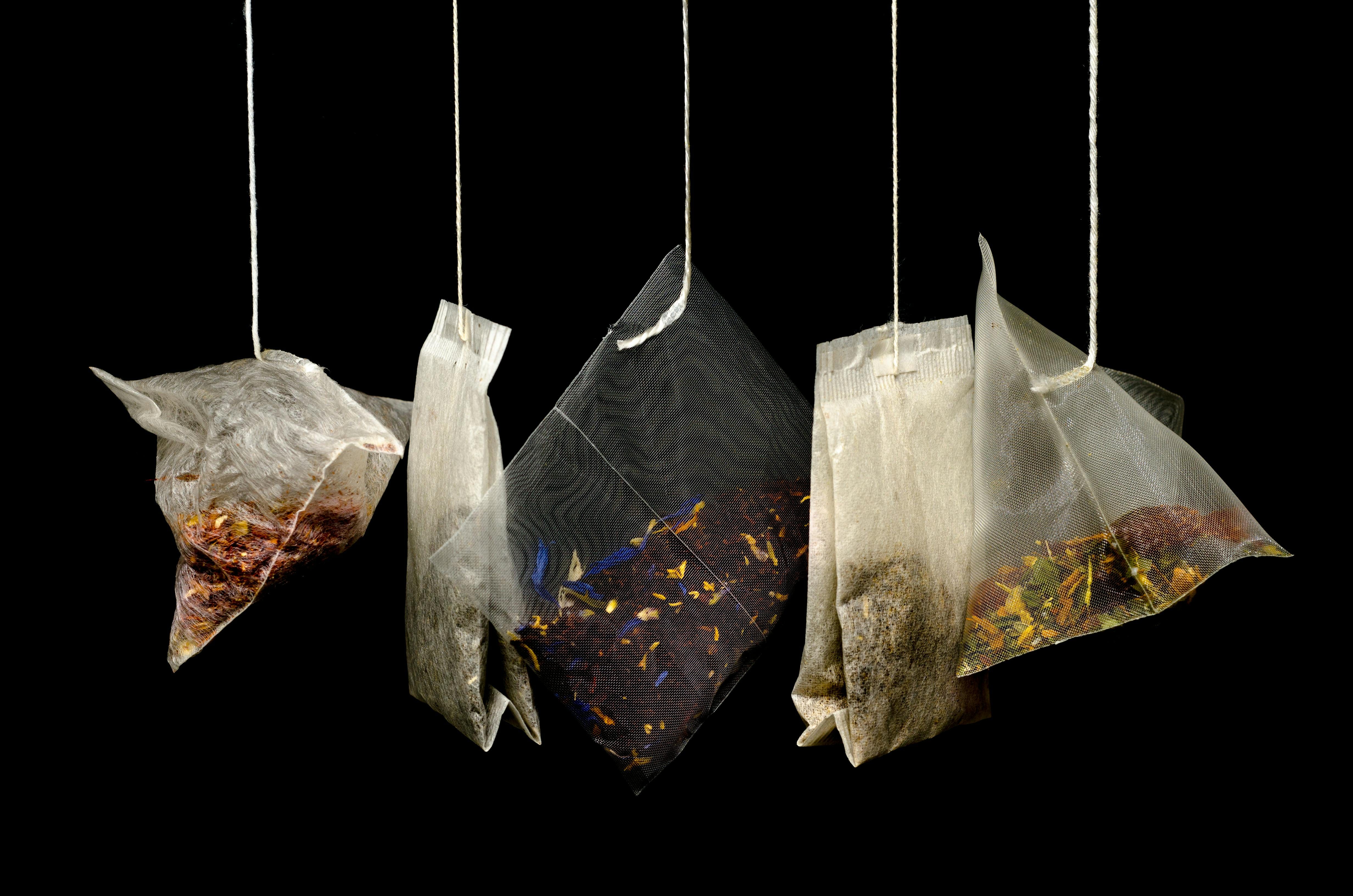
You’ve found your ethical tea. Now let’s move on to the tea bag material. Many tea bags contain plastic; dunk one of these into your cup of hot water and you’ll consume more than a comforting beverage, you’ll also ingest microplastics. Scientists have only recently begun to investigate the effects of consuming minute bits of petrochemicals—and studies have raised many red flags (what a shock…).
The first incarnations of pyramid-shaped bags consisted of nylon material (i.e., plastic). After a 2018 study from McGill University in Montreal revealed that a cup of tea brewed with one of these “upscale” bags shed over 11 billion pieces of microplastic and over 3 billion nanoplastic particles, tea drinkers everywhere freaked out. In response, some tea companies switched to different tea bag material for their pyramids, such as polylactic acid (PLA), a type of plastic made from plants. Do PLA bags also shed microplastics? That depends on which study you read. I’d err on the side of caution and just avoid these bags altogether. (Go here for more on reducing microplastic consumption.)
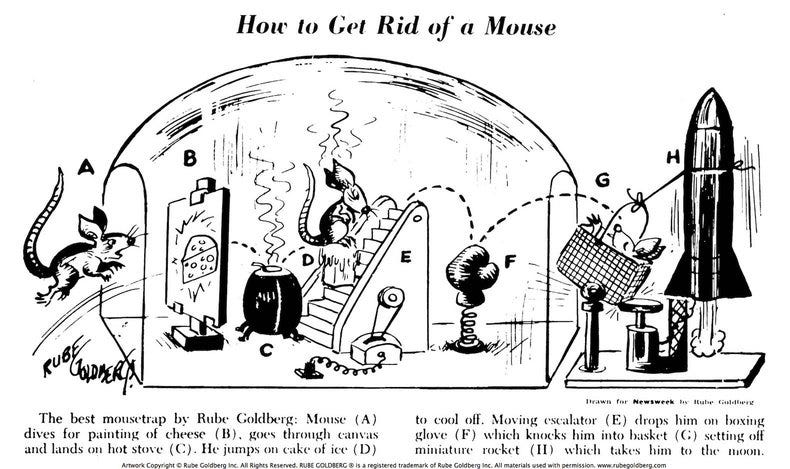
Other tea bags contain plastic as well. Some tea bag “paper” contains plastic. Tea bag sealant may consist of plastic. And now Keurig sells single-use, plastic tea pods for its coffee makers. We have reached the Rube Goldberg machine stage of tea brewing.
If you can buy loose-leaf tea, you won’t need to search for and read through pages and pages of information, trying to decipher the composition of a tea bag. The larger leaves also taste better and sometimes cost less. Before the invention of the tea bag around 1890 (or 1908, depending on the who-made-it-first debate), loose-leaf tea was the only option. Brewing it does require an extra (small) step of removing tea leaves from the teapot or infuser but that small, simple step reduces the amount of microplastic that makes its way into your drink—and body. (We can’t completely avoid microplastic. It’s in most tap water. Bottled water is full of it.)
Tea for a crowd
This June, after giving a talk at the Tiburon Library in California on microplastics, I taught a hands-on kombucha workshop. I would have liked to have used loose-leaf tea but for the 64 attendees we planned for, that would have required the library to buy additional equipment (either tea infusers or strainers). So I decided to use tea bags. After researching teabags online and at the store, I chose Republic of Tea’s British Breakfast. According to the company website, the unbleached paper tea bags contain no glue in the seals, making these bags compostable (based my sleuthing…). And unlike most brands, the tea bags themselves are not individually wrapped. Instead, they come stacked inside an air-tight canister (which could be reused, say, for filling with loose-leaf tea at the bulk store!).
Republic of Tea says it partners with the “Ethical Tea Partnership who are working towards improving the lives of tea workers and their environment worldwide, including the countries where our British Breakfast tea is from, by making sure they are treated fairly and good employment practices are in place.” I hope so. (p.s., I’m not getting paid to write this.)
Numi Tea also sells fair trade tea packaged in plastic-free tea bags (again…not getting paid for this). The website claims that the individual tea bag wrappers are compostable. However, if you read the fine print—and understand it, which no one should have to!—you’ll discover that the tea wrappers meet ASTM D6868 standards—standards created for bio-plastic (plastic made from plants). In other words, the wrappers are compostable where facilities exist. After I die, I also am compostable where facilities exist but very few do (so far). So don’t compost these tea wrappers in your backyard bin! To be fair, the origin of the tea (Fairtrade) and composition of the tea bag (microplastic-shedding-free) outweigh the makeup of the tea wrapper. Still, I do prefer a cup with less greenwashing.
I had plans to write about additional pre-eating research topics but this newsletter—on a such a simple beverage, tea—grew longer and longer, which I guess is the point. Choosing what to eat—and sometimes we have no choice—should require a shopping list, not encyclopedic knowledge of labeling laws and certifications, supply chains and resource recovery standards. Please stay tuned for Part II.
High Garden Tea is a wonderful source of tea, they use no plastic at all and their packaging is truly compostable. They spend a lot of energy researching the tea they import and their whole business model is set up to protect forests while educating consumers about tea craft. They also sell herbal blends.
I've switched to loose-leaf tea for this very reason! Not as convenient but...yikes!