
How to Cook Without Recipes
Gain confidence cooking with random ingredients
When a reporter recently asked me for environmentally friendly new year’s resolutions, I suggested (among other things) cooking dishes with ingredients on hand to prevent all kinds of waste—food, packaging, energy and time. Cooks who make this resolution will spend less money on food, buy fewer plastic packages, use up cooked leftovers (reducing energy consumption and cooking time) and make fewer trips to the store. She then asked me how inexperienced cooks can start cooking this way. Great question! Here are some ideas:
Start with dinner, not dessert. Baking a chocolate cake requires stricter adherence to the recipe than, say, preparing a salad. That doesn’t mean you can’t substitute ingredients when you bake but if you’re new to improvising, you might not want to start by experimenting with chocolate substitutions for that cake. Easy meals to adapt include soups and stews, chili, salads, pasta dishes, stir fries and grain bowls.
Master a few recipes. You’ll need to master some recipes to start cooking without recipes. Choose recipes for a few of the forgiving dishes above and cook them on repeat until you have them down, then start experimenting.
Master cooking techniques. By learning to sauté, roast, braise, simmer and poach, you’ll have more ideas for how to cook the food you find in the refrigerator. YouTube can teach you all of these skills and more.
Taste, taste, taste! Again, this applies more to cooking, not baking. You wouldn’t taste blueberry muffin batter as you go. But taste a pot of chili or pizza sauce or kimchi stew as you cook it. Taste a dish before you salt it. Taste it after. Add an acid. Taste again. Add a spoonful of sugar (depending on the dish). Taste again. Adjust the flavors as you go.
Take notes. What worked—and what didn’t? When I started baking sourdough, I took pages and pages of notes over many months. When I experimented with a recipe, I changed one variable at a time. That way I would (likely) know that the rye flour I added to the dough was responsible for the higher rise or that overextending the bulk fermentation led to the brick-like loaf.
Sourdough is tricky initially. Most dishes won’t require elaborate notes. You might simply make one note in the margins of a recipe in a cookbook.
For especially delicious dishes, you’ll be happy to have taken a few notes so you can recreate them.
Iconic dishes
Getting creative with what you have on hand doesn’t mean you’ll eat subpar food devoid of flavor. In fact, you’ll likely cook more delicious food.
Think of iconic dishes from around the world. A Michelin-starred restaurant may serve $75 bowls of bouillabaisse, but the stew’s humble origins stem from the hungry French fishermen who created the dish from fish scraps they couldn’t sell. Beloved steamed buns in Chinese cooking consist of dough surrounding odds and ends found on hand in the kitchen—perhaps a bit of meat and a few leftover vegetables. Similarly, the Spanish rice dish paella began as a frugal lunch that farm workers would cook, adding various ingredients, depending on where they lived and what was available. In most cultures, classic culinary staples sprang from strict necessity.
The glass of milk isn’t half empty; it’s half full. And if it’s a little past its best-by date, use it to bake a loaf of soda bread.
Love the food you’re with
Make-the-Extra-Mashed-Potatoes-Disappear Bread
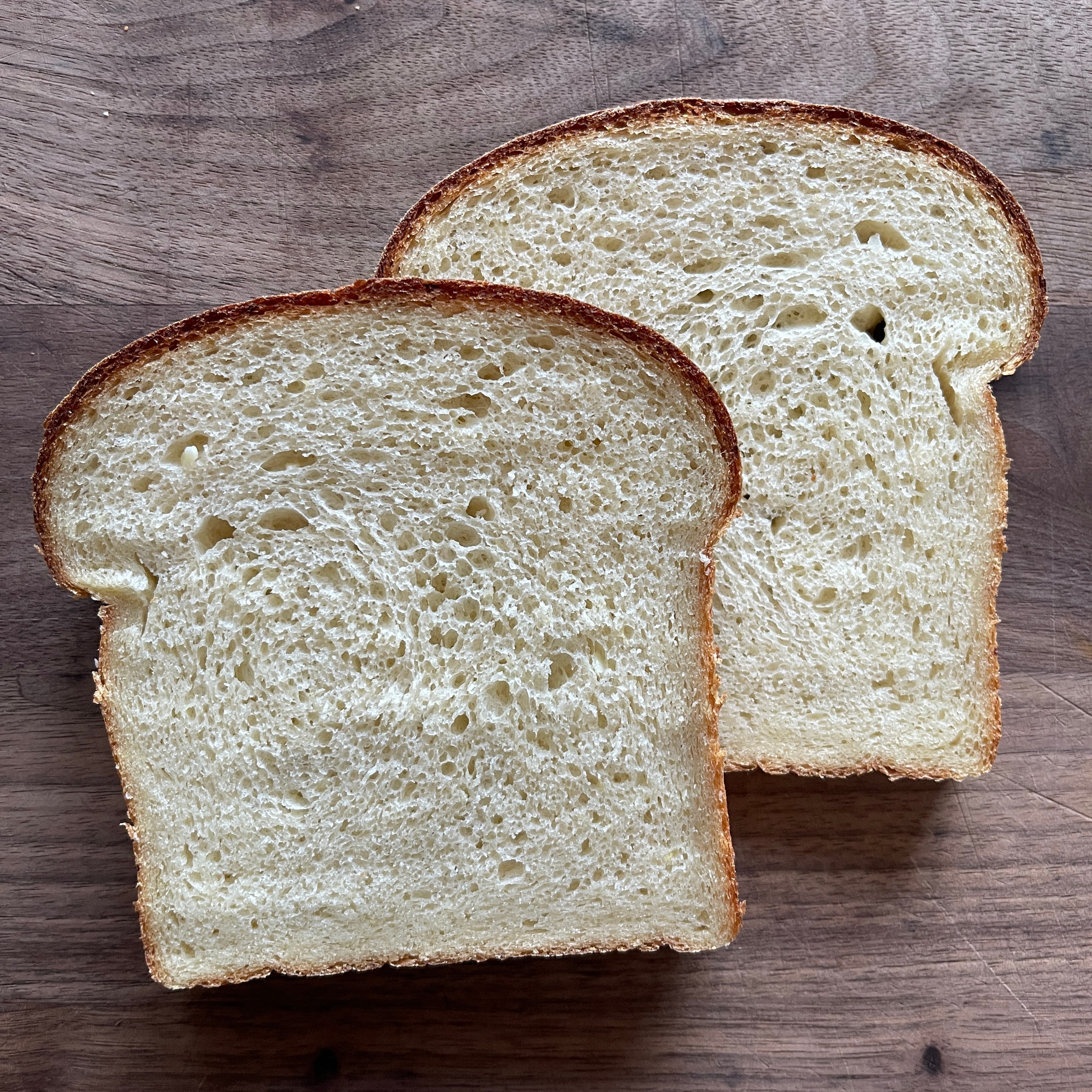
Christmas dinner next week may render lots of leftover mashed potatoes. This recipe incorporates them into another comfort food—pillowy-soft bread. You may want to cook extra mashed potatoes just so you can bake this.
The starch in the potatoes retains water, adding moisture to the dough without making it a sticky mess. And the extra liquid in the potatoes boosts the loaf’s rise to produce a soft, tender crumb that stays fresh longer than many other breads made with active dry yeast. Starch also provides extra food for the yeast, making the dough rise rapidly. So, while this potato bread is a yeast bread and not a quick bread, it is one of the quickest yeast breads you can make. Good thing because it also disappears quickly!
