
7 Positive Environmental Stories From 2025
Congratulations! You made it to the end of the year

This was a tough year. But good things did happen.
Beavers restore wetlands around the world
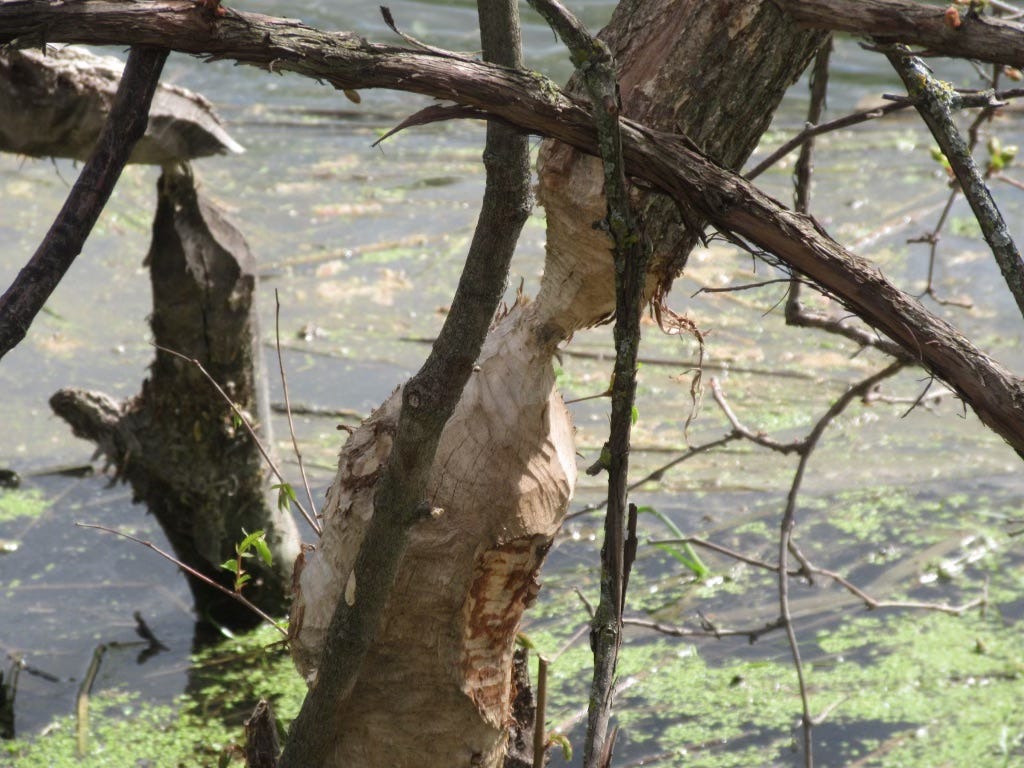
In January, officials in Czech Republic set out to restore a wetland in the Brdy region by building dams. While they wrestled with red tape and building permits, a beaver colony built the dams almost overnight. Not only did the beavers complete the work for free—they saved taxpayers CZK 30 million (about $1.4 million US)—they built the dams in the perfect location, a gully on a former military base that had been drained of its wetlands, the location the human engineers had chosen.
The following month in February, the conservation charity the National Trust released two Eurasian beavers into the wild in Dorset, England. There, the beavers will build dams, ponds and channels to restore the degraded landscape and help prevent both drought and floods. The National Trust hailed the release as a “real watershed moment in the history of the species.” Beavers went extinct in Britain 400 years ago.
Meanwhile in the US, scientists have been studying how beavers create firebreaks in wildfire areas. During fires, the lush wet areas around beaver dams create “fire speed bumps” that do not burn. These areas provide shelter for wildlife during fires and recover quicker than areas not maintained by beavers.
Learn more about these amazing engineers in the wonderful book, Beaver Land, How One Weird Rodent Made America, by Leila Philip.
Salmon swim in Northern California for the first time in decades
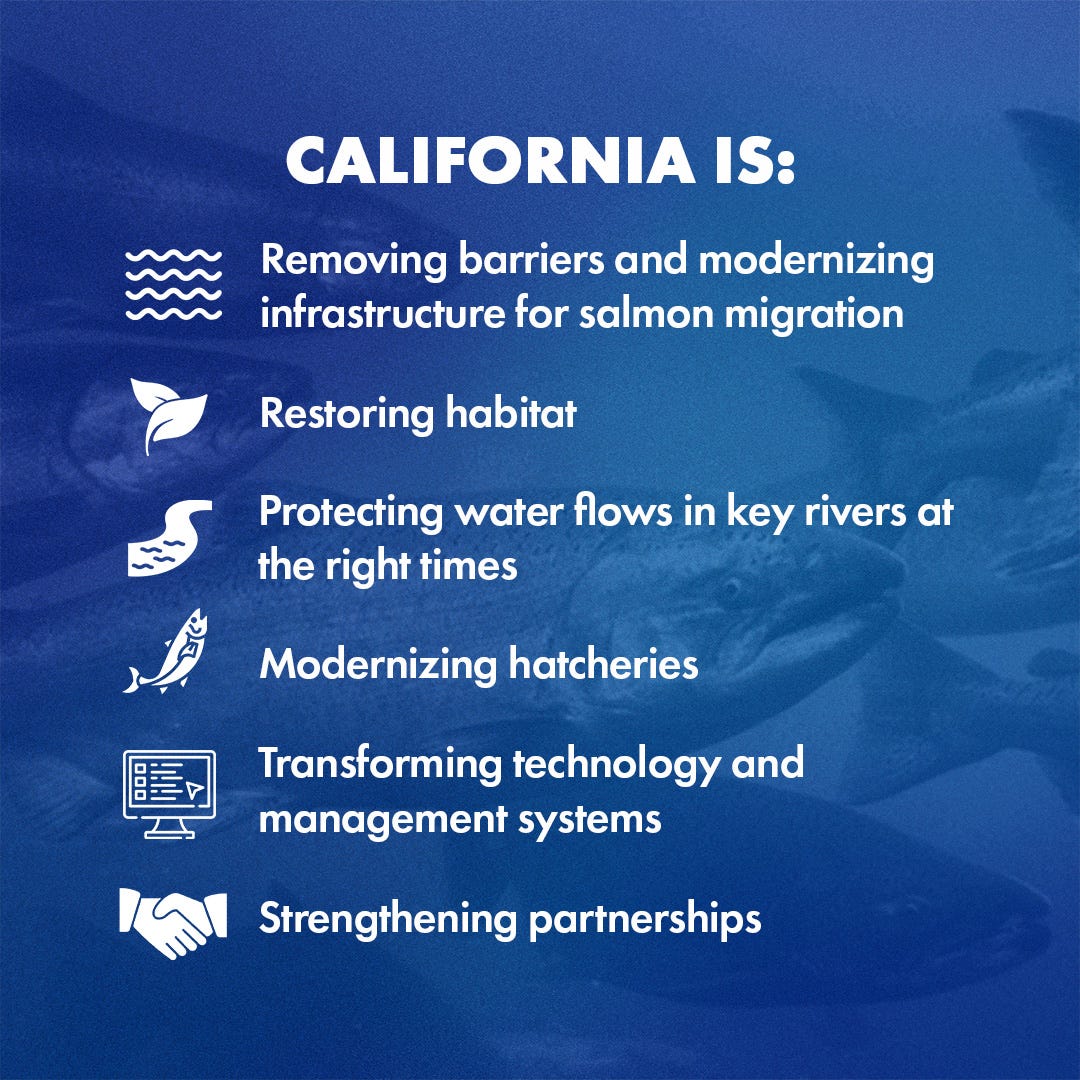
Drought, logging, mining, farming, housing development—and dams—have taken their toll on salmon in California. Four hydro-electric dams built a century ago on the Klamath River, once the third-largest salmon-producing river on the West Coast of the US, slashed salmon populations by more than 90 percent. The indigenous tribes who have lived in the upper basin for millennia have been without a fishery for a century. Some even began to import Alaskan salmon for their salmon ceremonies.
In early October 2024, California removed the dams, completing the largest river restoration project in US history. The removal restored 400 miles of habitat for salmon, steelhead, lamprey and other native fish species. Just one year later, Chinook salmon returned to the Klamath to spawn for the first time in decades.
The speed at which salmon are repopulating every nook and cranny of suitable habitat upstream of the dams in the Klamath Basin is both remarkable and thrilling. There are salmon everywhere on the landscape right now, and it’s invigorating our work.
— Michael Harris, Environmental Program Manager of the California Department of Fish and Wildlife’s Klamath Watershed Program
River restoration has brought salmon back to other areas of California. Coho salmon have returned to the upper basin of the Russian River for the first time since 1991. The fish have made progress in rivers in both Mendocino County and Sonoma County. This year, Chinook salmon swam upstream in the Bay Area’s Alameda Creek for the first time in 70 years. More salmon restoration projects are in the works. Last month, the state approved another seven.
Ocean protections treaty ratified
The high seas account for two-thirds of the oceans and currently less than 1 percent is under protection. The High Seas Treaty, also known as the agreement on Biodiversity Beyond National Jurisdiction (BBNJ), will place 30 percent of these international waters into marine protected areas. After two decades of negotiation, in September the treaty was finally ratified by enough countries that it can now go into force in January. Then, the work begins as countries choose which areas to protect—and create plans to protect them.
Covering more than two-thirds of the ocean, the agreement sets binding rules to conserve and sustainably use marine biodiversity.
— United Nations Secretary-General Antonio Guterres
Tens of thousands of citizens plant natives to address the biodiversity crisis
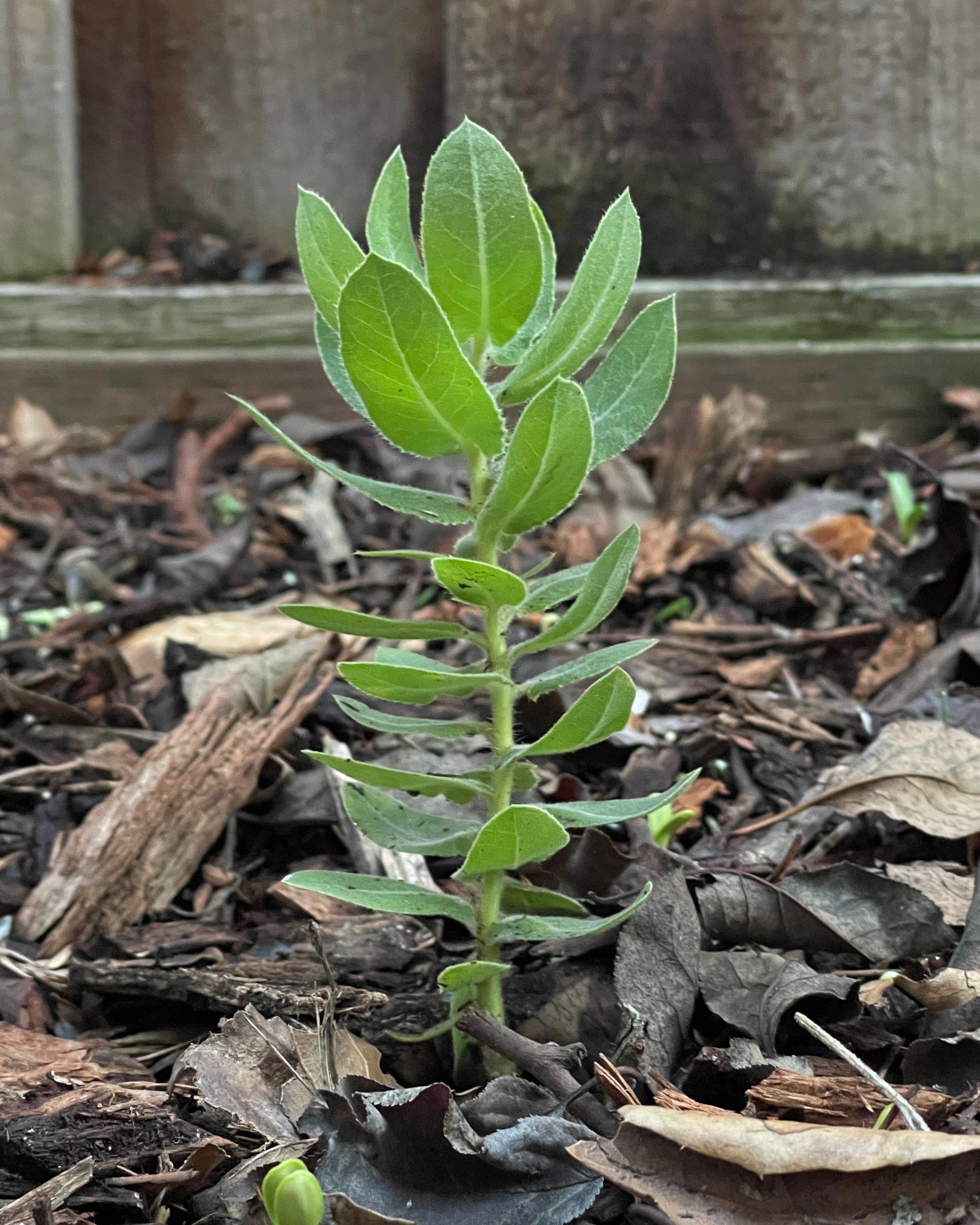
Launched in the fall of 2020, Homegrown National Park (HNP) “raises awareness and urgently inspires everyone to address the biodiversity crisis by adding native plants and removing invasive ones where we live, work, learn, pray, and play.” To date, nearly 48,000 HNP participants have have covered 168,434 acres of land in the US and Canada with native plants, an area larger than Zion National Park.
Don’t think about the entire planet’s problems—you’ll get depressed. Instead, focus on the piece of the earth you can influence.
— Doug Tallamy, HNP co-founder
I’ve been trying to do this—focusing on my little corner of the world and putting more native plants in it. Since reading Tallamy’s books Nature’s Best Hope and The Nature of Oaks in 2022, I’ve planted dozens of native plants in a previously barren yard. (I also loved Tallamy’s new book, How Can I Help?.) This transformation has not been difficult—and I am no master gardener. Choosing my plants—I want them all!—has posed the biggest challenge. As an added bonus, working outside helps me retain my sanity.
Renewable energy overtakes coal for the first time
Despite the US not only backpedaling on policies to address the climate crisis but actively worsening it, not all the climate news this year was grind-your-teeth-down-to-stumps horrifying. In fact, for the first time, renewables overtook coal worldwide this year (mostly due to China ramping up renewables), with solar and wind exceeding all new energy demand.
We have the solutions to end plastic pollution
If we do nothing to address plastic pollution, it will double by 2040, equivalent to dumping one garbage truck full of plastic into the environment every second. A third of that plastic waste consists of packaging, the number one source.
In a new study, the Pew Charitable Trusts and its partners found that three strategies alone could slash plastic pollution by 97 percent by 2040:
Implement return and reuse systems. Rather than purchasing goods in throwaway packages, consumers would either pay a deposit for returnable, refillable containers or bring their own containers to fill up at businesses.
Ban certain polymers. These plastics include polystyrene, expanded polystyrene (EPS) and polyvinyl chloride (PVC).
Switch to packaging made of glass, metal, paper and cardboard.
These are not new or yet-to-be-invented technologies some tech-bro keeps promising and failing to deliver. We’ve had reuse and refill systems in the not-distant past. We existed for millennia without single-use, throwaway plastic made out of toxic materials. We know from experience that glass, metal, paper and cardboard packaging work. Now we need the political will to make this transformation a reality.
If you want to get involved with the fight against plastic pollution, join, support or follow Plastic Pollution Coalition, Beyond Plastics, Break Free From Plastic or The Story of Stuff Project. (Many other organizations fight plastic pollution as well.)
South Koreans slash wasted food
In the US, households waste more food than any other sector, including farms, manufacturers and consumer-facing businesses (e.g., retailers, restaurants and institutions). Behavior change at home—to stop wasting food at the consumer level—seems impossible, but South Korea has done it and serves as a model for the US and other developed countries.
After South Korea’s main landfills reached capacity in the early 1990s, they closed. The government responded by implementing several creative initiatives to reduce wasted food, including mandatory separation of food from other trash and a ban on food in landfills. In 2013, the government rolled out a pay-as-you-throw program, which requires residents to dispose of their food in radio frequency identification (RFID) bins that weigh the food and charge a per-kilogram fee. Today, South Korea recycles most of this waste—96.8 percent—into animal feed, compost or biogas.
While recycling food waste into chicken feed crucially keeps organic matter out of landfill, thus conserving resources and reducing methane emissions, the practice does not prevent waste. Rather, recycling deals with waste after the fact, albeit more efficiently than landfilling or incineration. Ideally, less food would go to waste in the first place. South Korea has succeeded there was well. Since the widespread implementation of the pay-as-you-throw bins began, in Seoul, wasted food declined by 23.9 percent in 10 years.
To reduce wasted food even further in Seoul, the city this year announced a new incentive program that rewards residents who waste less. It will also increase access to RFID bins—90 percent of apartment complexes will have them compared to the current 81.6 percent. Residents who reduce their wasted food by 10 to 30 percent compared to the previous year will receive points they can redeem to pay for taxes or utility bills or they can convert the points into Onnuri gift certificates to spend at traditional markets and local small businesses.
Reducing food waste is one of the most effective everyday actions citizens can take to cut carbon emissions and lower waste treatment costs.
— Kwon Min, head of Seoul’s Climate and Environment Department.
Happy 2026!
Here’s a helpful resolution (if you make those): Look out for and hold onto those good news stories in 2026. I know I will.
Thank you for the good news, a Christmas gift. Reading your posts is always an encouragement, a renewing force. A wonderful New Year to you, to us 💚
Beaverland is an amazing read!